
Candles used to be simple. Now the shelf splits neatly in two: pale, faintly honeyed beeswax on one side, familiar white paraffin on the other, and a price gap wide enough to make you stop and think. The honest answer is that neither is wrong. They behave differently, and once you know how, choosing takes about ten seconds.
What Each Candle Is Actually Made Of
Beeswax comes from the hive itself. Worker bees secrete it in thin flakes to build comb, and beekeepers recover it when honey is uncapped and extracted. It is then filtered and poured, and the colour runs from near-cream through to deep gold depending on the honey it sat beside and how thoroughly it was cleaned.
Paraffin is a petroleum by-product, refined and bleached until it is bright white and largely odourless. It is cheap, predictable, and takes dye and fragrance oil very well, which is why so many scented candles use it.
Worth knowing: plenty of candles sold as beeswax are blends. That is not dishonest, but the performance sits somewhere between the two. If the wax content matters to you, look for a maker who states a percentage, or buy straight from a beekeeper who can tell you what went into the pot.
Burn Time: The Practical Difference
Beeswax is denser and has a higher melting point than paraffin, so a beeswax candle of the same size generally burns more slowly. A beeswax pillar will often last through several dinners where an equivalent paraffin pillar gives you one or two.
Size matters more than material, though. A thick pillar burns for many hours; a slim taper is gone in an evening whatever it is made from. Wick choice matters too. A wick that is too small will drown, tunnel down the middle and waste half the wax. A wick that is too large burns hot, spits, and shortens the candle's life. Good makers match wick to diameter, and that alone does more for burn time than the label on the box.
Scent: Faint Honey or Full Fragrance
Beeswax smells gently of honey, sometimes with a hay or warm-caramel note underneath. Unlit, you will barely notice it. Lit, it stays subtle and never competes with what is on the plate. That restraint is exactly why it suits a dinner table, where the roast or the wine should be doing the talking.
Paraffin carries fragrance far more aggressively. If you want a candle to fill a hallway or scent a bathroom, a well-made paraffin scented candle will usually do it more strongly and for less money.
Unhelpful detail: some mass-market "unscented" paraffin still contains masking agents to cover the petroleum note. If you want a genuinely clean smell, unscented beeswax is the safer pairing with food.
Soot, Smoke and Indoor Air
Any candle can produce soot. The culprit is rarely the wax alone and almost always the burn: a wick left too long, a draught bending the flame, a candle burning in a deep pool of its own wax. A badly tuned paraffin candle tends to produce visible black smoke and dark smuts on a wall or shelf; beeswax generally burns cleaner, but it is not soot-proof if you neglect the wick.
Trim the wick to about 5mm before every burn. It is the single change that makes the most difference.
Ventilation matters as much as wax type. Burn candles in a room with some air movement, keep them away from curtains, and do not line up a dozen on a sealed windowsill. If you have asthma or another respiratory condition and you find scented or smoky candles irritate you, keep sessions short and well ventilated, and speak to a health professional if symptoms persist.
The Cost Question
Beeswax costs more per candle, and there is a good reason. A colony produces only a modest amount of wax in a season, and recovering and filtering it takes time. Paraffin is made at industrial scale, so it is cheap and available everywhere.
The gap narrows when you count hours rather than candles. A beeswax pillar that burns twice as long as a cheap paraffin one is not the expensive option any more. What you are really paying for comes down to a few things:
- Material and origin — local beeswax from a named beekeeper versus an unnamed blend.
- How it was made — hand-poured in small batches versus machine-extruded by the pallet.
- Fragrance load — heavy scent oils add cost, though not always quality.
- Wick and finish — cotton wicks, straight walls, a clean base.
- Presentation — you are partly buying a gift, and that is allowed.
Matching the Candle to the Job
For the dinner table
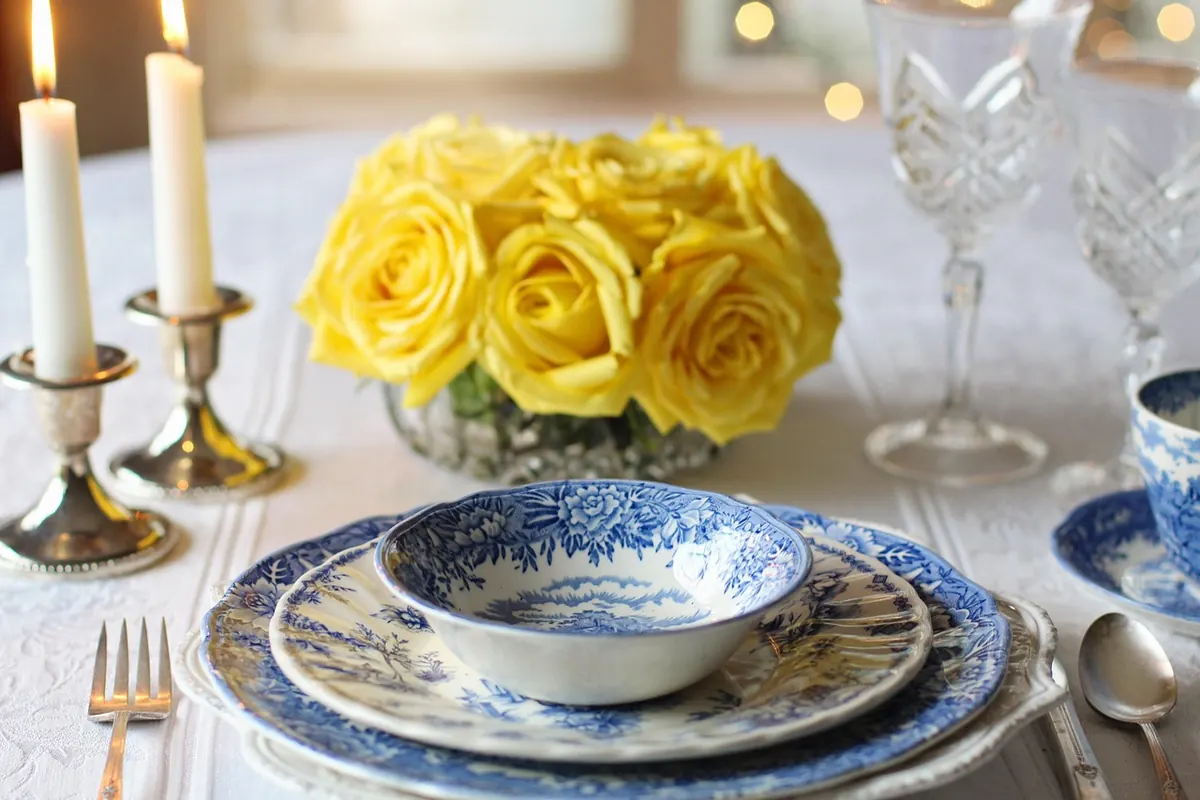
Unscented beeswax tapers or small pillars. They burn steadily, drip less, and leave the room smelling of dinner rather than perfume. If you are setting a long table, go for tapers in proper holders with a wide base so they cannot tip.
For gifts
Beeswax reads as thoughtful because it carries a story about hives and harvests. Pair a pair of pillars with a jar of honey and you have a present that feels considered. One caution: some people genuinely love strong scents, so if you are unsure, buy unscented and add a scented tea light separately.
For everyday evenings
This is where paraffin or a blend earns its place. If you are burning a candle most nights for atmosphere rather than occasion, the cheap option stops being a compromise and starts being sensible. Keep one good beeswax candle for the evenings that deserve it.
Getting a Better Burn From Either Wax
- Trim the wick to 5mm before lighting. Snip, do not pull.
- On the first burn, let the melt pool reach the edge of the candle. Roughly an hour per 2.5cm of diameter is a useful guide.
- Keep candles out of draughts, doorways and above radiators.
- Snuff rather than blow. It stops wax spraying and keeps the wick straight.
- Do not burn for more than about four hours at a stretch.
- Store beeswax somewhere cool and dark. Sunlight bleaches the colour and softens the surface.
Which Should You Buy?
Buy beeswax if you want a long, quiet burn, a faint honey scent and a candle that looks good unlit on a shelf. Buy paraffin if you want strong fragrance, low cost and something you can burn most nights without thinking about it. Many homes end up with both, and that is not indecision, it is just having the right tool for the evening in front of you.
If you are buying beeswax, buy it from someone who keeps bees. You will get better wax, a straight answer about what is in it, and a candle that smells of the place it came from.
Photo: TerriC / Pixabay